

TCA Skin Treatment Tips: What to Know
- kiaevastore
- Feb 23
- 5 min read

If you’re curious about refreshing your skin at home and want to explore professional-grade options, you’ve probably heard about TCA peels. Trichloroacetic acid, or TCA, is a powerful chemical peel ingredient that can transform your skin’s texture and appearance. But before you dive in, it’s important to understand what TCA is, how it works, and how to use it safely for the best results. I’m here to guide you through everything you need to know about TCA skin treatments, so you can feel confident and excited about your skin renewal journey!
Understanding TCA Skin Treatment Tips
TCA peels have been a trusted choice in dermatology for years. They offer a middle ground between mild peels like glycolic acid and deeper peels like phenol. What makes TCA special is its ability to target multiple skin concerns, including fine lines, uneven tone, and sun damage, without the long downtime of more aggressive treatments.
Here are some essential tips to keep in mind when considering TCA for your skin:
Start with a lower concentration: If you’re new to chemical peels, begin with a 10-15% TCA peel. This allows your skin to adjust and reduces the risk of irritation.
Patch test first: Always test a small area to check for sensitivity or allergic reactions.
Prepare your skin: Use gentle cleansers and avoid retinoids or exfoliants a week before your peel.
Follow post-peel care: Hydrate, avoid sun exposure, and use a broad-spectrum sunscreen daily.
Be patient: Skin renewal takes time. You might see peeling and redness, but these are signs your skin is healing and regenerating.
By following these tips, you’ll set yourself up for a safe and effective TCA peel experience that can brighten and smooth your complexion beautifully.

What Does TCA Do to the Skin?
TCA works by causing controlled damage to the outer layers of your skin. This controlled injury triggers your body’s natural healing process, which includes shedding old, damaged skin cells and producing new, healthy ones. The result? A fresher, more youthful-looking complexion.
Here’s a breakdown of what happens during and after a TCA peel:
Exfoliation of dead skin cells: TCA dissolves the bonds between dead skin cells, allowing them to slough off.
Stimulation of collagen production: Collagen is the protein that keeps your skin firm and elastic. TCA encourages your skin to produce more collagen, improving texture and reducing fine lines.
Reduction of pigmentation: Dark spots and uneven skin tone caused by sun damage or acne scars can fade as the peel removes pigmented cells.
Smoother skin surface: The peeling process smooths rough patches and minimizes pores.
The depth of the peel depends on the concentration of TCA used and how long it’s left on the skin. Superficial peels affect only the outermost layer, while medium-depth peels reach deeper layers for more dramatic results. This is why it’s crucial to choose the right strength and follow instructions carefully.
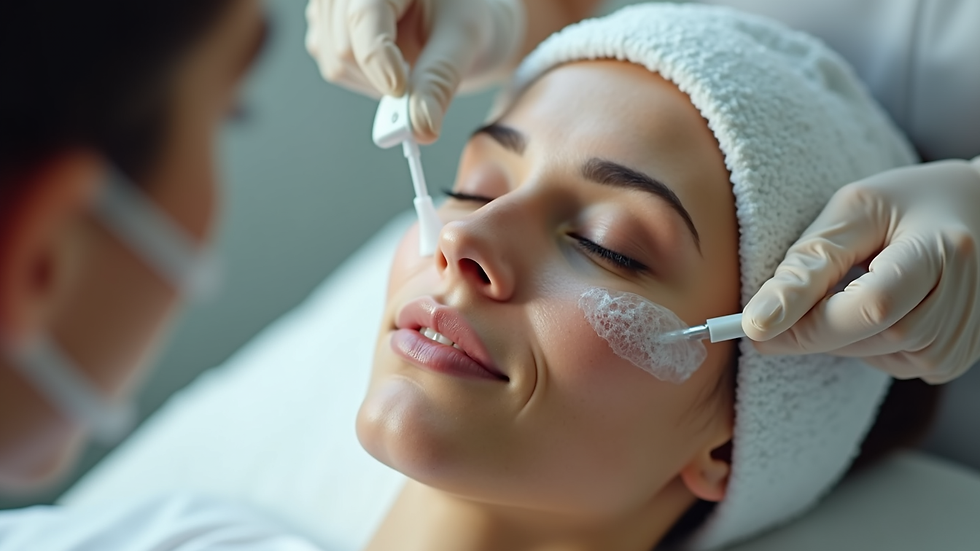
How to Use TCA Peels Safely at Home
Using TCA peels at home can be a game-changer for your skincare routine, but safety is key. Here’s a step-by-step guide to help you get started:
1. Choose the Right Product
Look for professional-grade TCA peels from trusted sources. Kiaeva offers a range of chemical peels designed for at-home use, ensuring quality and safety. Avoid unknown brands or products without clear ingredient lists.
2. Prepare Your Skin
Cleanse your face thoroughly and avoid applying any heavy creams or oils before the peel. Your skin should be dry and free of makeup.
3. Apply the Peel Carefully
Use a cotton pad or brush to apply the TCA solution evenly. Avoid sensitive areas like the eyes, lips, and nostrils. Start with a thin layer and watch for any discomfort.
4. Monitor the Reaction
You might feel a mild stinging or tingling sensation. This is normal. If you experience intense burning or pain, rinse immediately with cool water.
5. Neutralize and Moisturize
Some TCA peels require neutralization with water or a special solution. Follow the product instructions closely. Afterward, apply a gentle moisturizer to soothe your skin.
6. Protect Your Skin
Your skin will be more sensitive after the peel. Use a broad-spectrum sunscreen with at least SPF 30 every day, even if you’re indoors.
7. Allow Time to Heal
Peeling usually starts within 2-3 days and can last up to a week. Avoid picking or peeling the skin manually to prevent scarring.
By following these steps, you can enjoy the benefits of a professional-grade peel right at home, safely and effectively.
Who Should Consider TCA Peels?
TCA peels are versatile and can benefit many skin types and concerns, but they’re not for everyone. Here’s who might find TCA peels especially helpful:
Those with sun damage or age spots: TCA can fade pigmentation and even out skin tone.
People with fine lines and wrinkles: The collagen boost helps smooth out early signs of aging.
Individuals with acne scars or rough texture: TCA peels can improve skin texture and reduce scarring.
Anyone wanting a brighter complexion: The exfoliation reveals fresh, glowing skin underneath.
However, if you have very sensitive skin, active eczema, psoriasis, or open wounds, it’s best to consult a dermatologist before trying TCA peels. Pregnant or breastfeeding individuals should also seek medical advice first.
Enhancing Your Results with a Skincare Routine
To maximize the benefits of your TCA peel, pair it with a supportive skincare routine. Here’s what I recommend:
Gentle cleanser: Use a mild, hydrating cleanser to avoid irritation.
Hydrating serums: Ingredients like hyaluronic acid help keep your skin plump and moisturized.
Antioxidants: Vitamin C serums can protect your skin from environmental damage and brighten your tone.
Moisturizer: Choose a fragrance-free, soothing moisturizer to support healing.
Sunscreen: This is non-negotiable! Protect your renewed skin from UV damage every day.
Remember, your skin is delicate after a peel, so avoid harsh exfoliants, retinoids, or strong acids for at least a week.
If you’re ready to explore professional-grade chemical peels at home, consider checking out tca for skin options from Kiaeva. Their products are designed to help you achieve radiant, rejuvenated skin safely and effectively.
Embrace Your Skin Renewal Journey
Taking care of your skin with TCA peels can be a rewarding experience. It’s about more than just appearance - it’s about feeling confident and radiant in your own skin. With the right knowledge, preparation, and care, you can enjoy the benefits of professional-grade treatments from the comfort of your home.
Remember, every peel is a step toward healthier, glowing skin. Be patient, listen to your skin’s needs, and celebrate the progress you make. Your skin renewal journey is uniquely yours, and with TCA peels, it’s a journey worth taking!
Happy peeling!


Comments