

Understanding At-Home Chemical Peel Kits: Unlocking Radiant Skin with Chemical Peel Kit Components
- kiaevastore
- Feb 23
- 5 min read

If you've ever dreamed of glowing, refreshed skin without the hassle of salon visits, then at-home chemical peel kits might just be your new best friend! These kits offer a convenient way to rejuvenate your skin, smooth texture, and brighten your complexion right from the comfort of your home. But before you dive in, it’s essential to understand what these kits contain, how they work, and how to choose the right one for your skin type. Let’s explore the world of chemical peel kit components together and empower you to make the best choice for your skincare journey.
What Are Chemical Peel Kit Components?
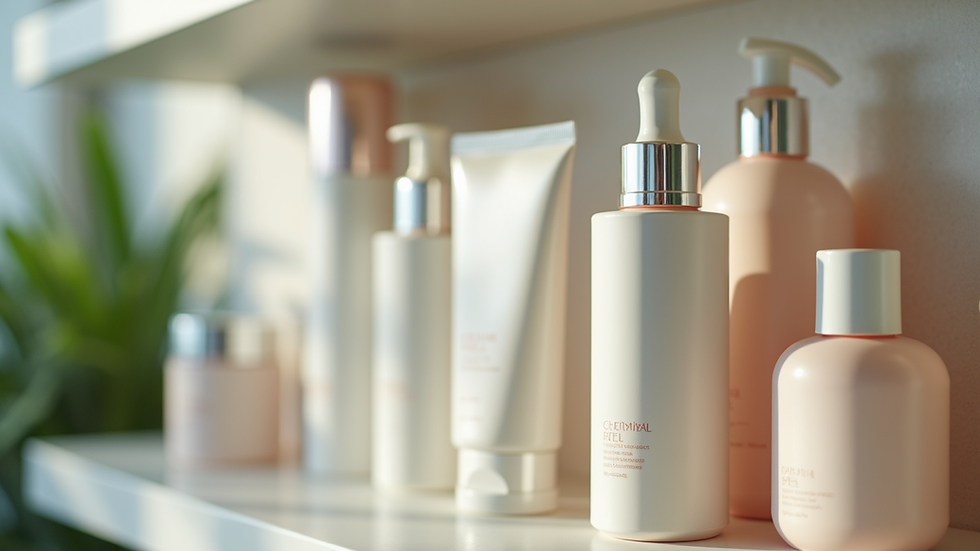
When you open a chemical peel kit, you’re not just getting a single product. Instead, you receive a carefully curated set of components designed to work in harmony to exfoliate and renew your skin safely and effectively. Understanding these components helps you use the kit correctly and maximize its benefits.
Typically, a chemical peel kit includes:
The peeling solution: This is the star of the show. It contains active ingredients like alpha hydroxy acids (AHAs), beta hydroxy acids (BHAs), or trichloroacetic acid (TCA). These acids gently dissolve dead skin cells and stimulate new cell growth.
Neutralizer: Some peels require a neutralizing solution to stop the acid’s action after a certain time, preventing over-exfoliation.
Soothing serum or moisturizer: After the peel, your skin needs hydration and calming ingredients to reduce redness and irritation.
Instructions and safety guidelines: Clear directions are crucial for safe application and best results.
Application tools: These might include brushes, cotton pads, or gloves to help you apply the peel evenly and hygienically.
Each component plays a vital role in ensuring your skin is treated gently yet effectively. For example, the peeling solution’s strength varies depending on your skin’s sensitivity and the desired depth of exfoliation. The neutralizer and moisturizer help protect your skin barrier and promote healing.

How Do Chemical Peels Work?
Chemical peels work by applying a solution that causes the outer layer of dead skin cells to loosen and eventually peel off. This process reveals fresher, smoother skin underneath. The acids in the peel break down the bonds between dead skin cells, encouraging them to shed more quickly than usual.
There are different types of chemical peels based on the depth of penetration:
Superficial peels: Use mild acids like glycolic or lactic acid to exfoliate the outermost layer. These are great for mild skin concerns like dullness or minor texture issues.
Medium peels: Often use trichloroacetic acid (TCA) to reach deeper layers, addressing wrinkles, pigmentation, and acne scars.
Deep peels: Penetrate the lower layers of skin and are usually performed by professionals due to their intensity.
At-home kits typically offer superficial to mild medium peels, which are safe for regular use with proper care. The key is to follow instructions carefully and avoid overuse, which can lead to irritation or damage.
Using an at home chemical peel kit allows you to control the timing and frequency of your treatments, making it easier to fit skin renewal into your routine. Plus, you get the satisfaction of seeing your skin transform day by day!
Which is the Best At-Home Chemical Peel?
Choosing the best at-home chemical peel depends on your skin type, concerns, and experience with exfoliation. Here are some tips to help you decide:
Identify your skin type: Dry, oily, sensitive, or combination skin all respond differently to peels. For example, sensitive skin benefits from gentle AHAs like lactic acid, while oily or acne-prone skin may respond better to salicylic acid (a BHA).
Consider your skin concerns: Are you targeting fine lines, pigmentation, acne scars, or just want a brighter complexion? Different acids target different issues.
Check the acid concentration: Beginners should start with lower concentrations (around 10% glycolic acid or less) to avoid irritation.
Look for reputable brands: Choose kits with clear ingredient lists, safety instructions, and positive reviews.
Patch test first: Always test the product on a small skin area to check for adverse reactions.
For example, if you want a gentle glow-up, a glycolic acid peel with 10-15% concentration might be perfect. If you’re dealing with stubborn acne scars, a salicylic acid peel could be more effective. Remember, patience is key—results come with consistent, careful use.
How to Use an At-Home Chemical Peel Kit Safely and Effectively
Using your chemical peel kit correctly is essential to avoid irritation and get the best results. Here’s a simple step-by-step guide:
Prepare your skin: Cleanse your face thoroughly and avoid using other exfoliants or retinoids 2-3 days before the peel.
Perform a patch test: Apply a small amount of the peel solution on your wrist or behind your ear and wait 24 hours.
Apply the peel: Use the provided applicator to spread the solution evenly over your face, avoiding sensitive areas like eyes and lips.
Follow timing instructions: Leave the peel on for the recommended time only. Do not exceed this to prevent burns or irritation.
Neutralize if required: Some peels need a neutralizer to stop the acid’s action.
Rinse thoroughly: Use lukewarm water to wash off the peel.
Apply soothing moisturizer: Hydrate your skin with the kit’s moisturizer or a gentle, fragrance-free cream.
Avoid sun exposure: Your skin will be more sensitive, so use a broad-spectrum sunscreen daily.
Limit frequency: Start with once every 2-4 weeks depending on your skin’s tolerance.
If you notice excessive redness, burning, or peeling beyond what’s expected, pause treatments and consult a dermatologist. Remember, gentle care is better than overdoing it!
Benefits of Regular Use of Chemical Peel Kits
Incorporating chemical peels into your skincare routine can bring noticeable improvements over time. Here’s what you can expect:
Smoother skin texture: Dead skin cells are removed, revealing a softer surface.
Brighter complexion: Peels help fade dullness and uneven tone.
Reduced fine lines and wrinkles: Stimulated collagen production firms the skin.
Improved acne and scars: Peels unclog pores and promote skin renewal.
Enhanced absorption of skincare products: Fresh skin absorbs serums and moisturizers better.
Consistency is your ally here. With regular use, your skin will look healthier and more radiant. Plus, using a professional-grade kit at home, like those offered by Kiaeva, means you get salon-quality results without the price tag or inconvenience.
I hope this guide has helped you feel confident about exploring chemical peel kits at home. Remember, your skin deserves gentle, effective care that fits your lifestyle. Ready to start your skin renewal journey? Check out the at home chemical peel kit options and find the perfect match for your glow-up!
Happy peeling and glowing!


Comments